The Gallery Worktable
Assemble a small picture of the whole decision
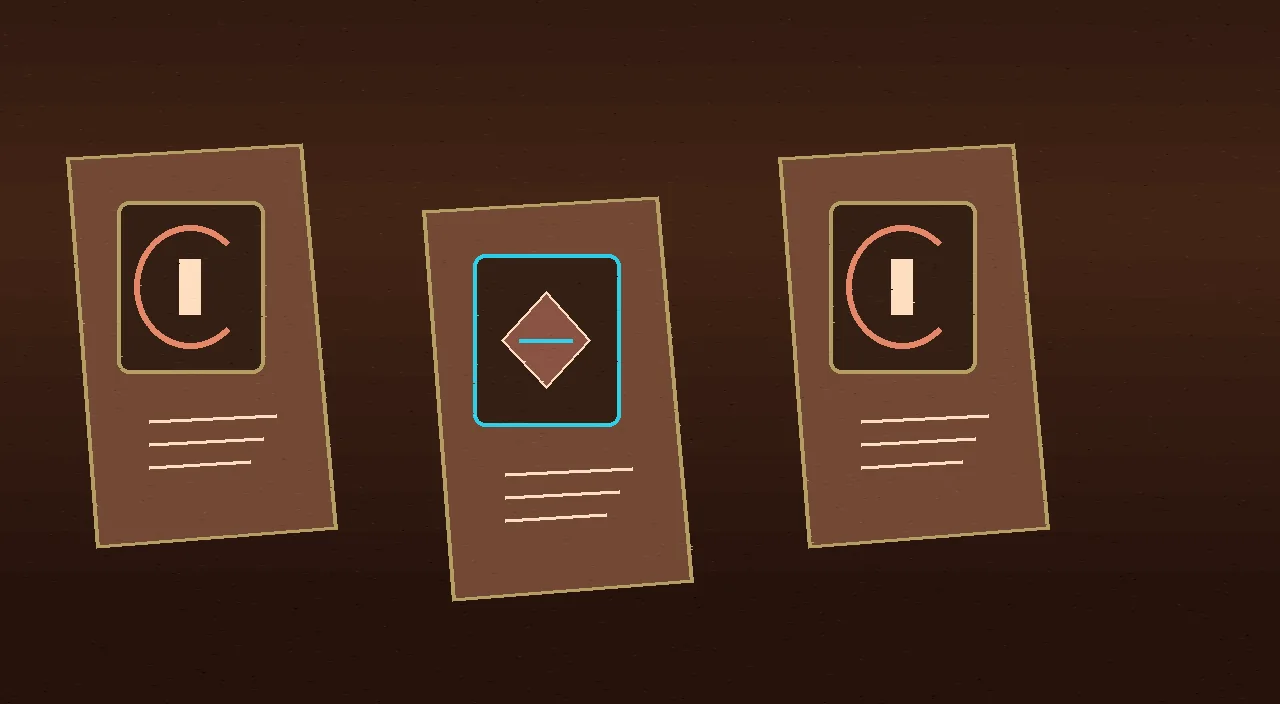
Armnib Games uses a recorded encounter to test a part of the rules. A picture can show the current range, the tool group the game has made active, and the alternate one waiting in a slot. If a person cannot distinguish two of those, we can change their shape or order before adding another playable situation. Our worktable keeps the original example close to the revision.
Where the roles meet
Rules design determines which game actions belong to a kit, when a change can occur, and which events need to be recorded. A prototype with too many groups makes it hard to know whether a player misunderstood a landmark or a timing window. Begin with a limited set. We can move one checkpoint and examine the same board after the next turn.
Illustration makes the layout recognizable from one scene to another. It tests the width of the floor band, the color of a pending mark, and the orientation of an abstract equipment silhouette. A still figure has to preserve enough information to support a design note. When the scene changes to a more detailed picture, it should keep the reference marks in useful positions.
Interface work places those signals near input and feedback. It also makes sure a reader can open the same chapter on a phone or with a keyboard. The time rail gives each published note an address, and a short summary explains what a reader will find on the full page. A brightness change can sit beside a written confirmation if the confirmation needs to be readable with sound off.
File the next question with the case
When a title changes or a kit illustration is redrawn, save the reason behind the choice. A reader returning to a previous note should see which game is concerned, which test the note describes, and whether a changed state affected its explanation. The public casebooks show fictional games in development. The notes make selected questions available to people curious about the work. If a detail is awkward to read, tell us the frame and which cue you’d consult first. That simple observation often gives us a concrete change to try on the next print.