
The Cue Kept in the Picture
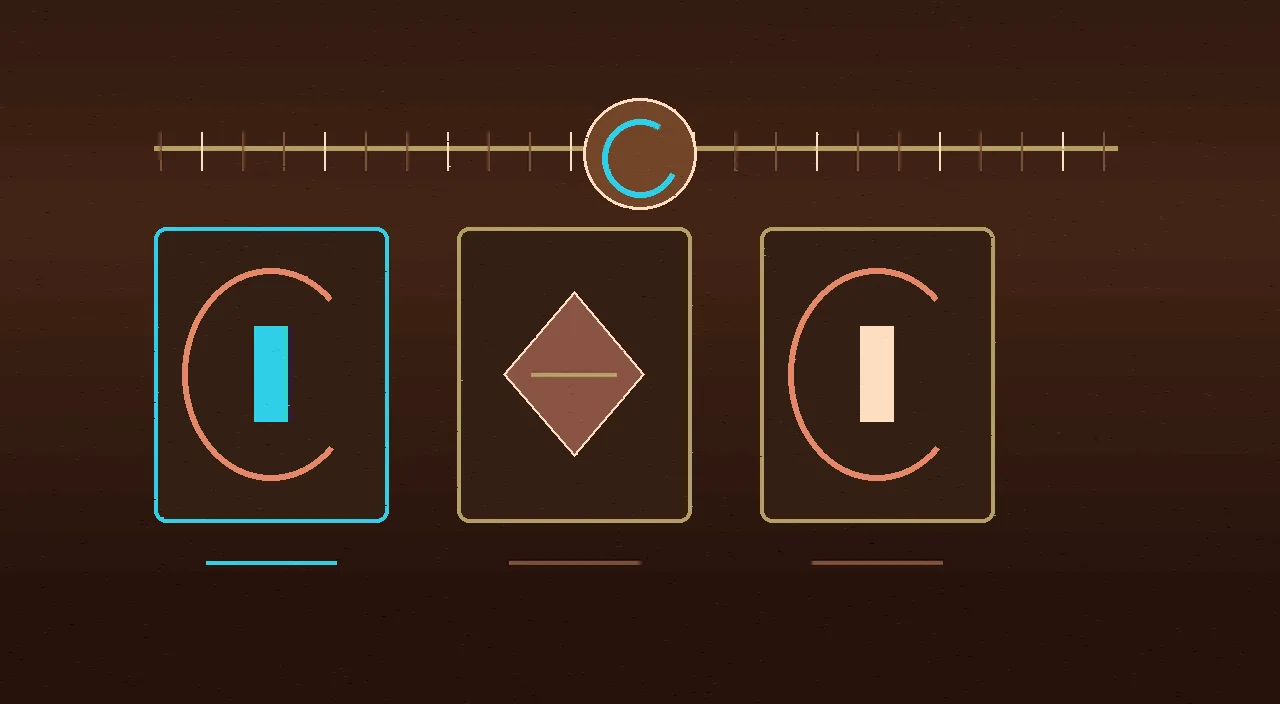
We originally gave a switch a small, clear sound. The image in that part of the round barely changed. A person running the game with the volume off saw a hollow tab turn into another shape, then watched the record advance. Looking back afterwards, the cue that closed the interval could be difficult to identify. A replay should make the same reasoning available whether or not the reader heard the bell in the first place.
Make a short bundle of evidence
The bell belongs to the simulation moment when the choice becomes active. The visual state changes on that beat. The result slip records it using a clear noun and a short verb. All three should describe the same event. We started the study by turning off two of them and checking the third. The sound recognized the expected moment but couldn’t carry the names of the kits. The shape showed that something changed. Its label needed to say what was active. The result already held that fact; the live view could put the same word in reach.
When adjusting the sound, avoid treating its volume as the only way to signal the confirmation. Give the active kit a closed shape in a quiet location and a separate line for the upcoming beat. Both are visible beside the other status on a small view. If someone chooses reduced motion, the two states can change directly and remain readable for the same useful duration. The written update should not flicker away just because the little animation is now shorter.
A caption belongs to the moment it names
A development view can use a still image from the frame where the confirmation appears. Give it a caption describing what the game has recorded. A second image can show the pending slot from before the bell. Compare them in the casebook without asking someone to remember precisely when the sound played. On a narrow screen the caption stays beneath each figure. It doesn’t share the same line as the navigation link that moves between examples.
When someone reviews the original game, a small position marker can show the selected frame. The confirmation word remains by the slot and the timeline retains the recorded instant. The two marks should be consistent between the game and the illustrated note. If an image loads late, the state can still be read in its written description. That makes the art an additional observation rather than a bottleneck to understanding the design.
Listen separately from looking
Try one pass that reads the image with no sound, and a second pass that checks whether the bell arrives at the same instant when sound returns. If a viewer believes it belongs to the earlier pending action, move the graphic that currently draws too much attention there. If a muted reader follows the outline but does not know which set became active, put the kit’s name beside the word that identifies its state. Adjust only the elements that explain the transition so we can tell which change actually helped.
Our second check compares a live round with a frame reached from a replay. They can have different pacing and the recorded event should match. A replay frame can show the confirmation clearly even when the original sound is no longer part of the experience. An optional play control can add sound on request. It should never be necessary for readers to find the final condition on the strip. Keep a short result near the replay controls as a baseline that can be read again.
Open Change at the Bell for the game context. The Slot Before the Bell gives the earlier situation in which the selection appears as pending. The two notes show different parts of the same virtual choice. Together their diagrams and status words offer a way to follow the entire interval in a silent view.