
The Slot Before the Bell
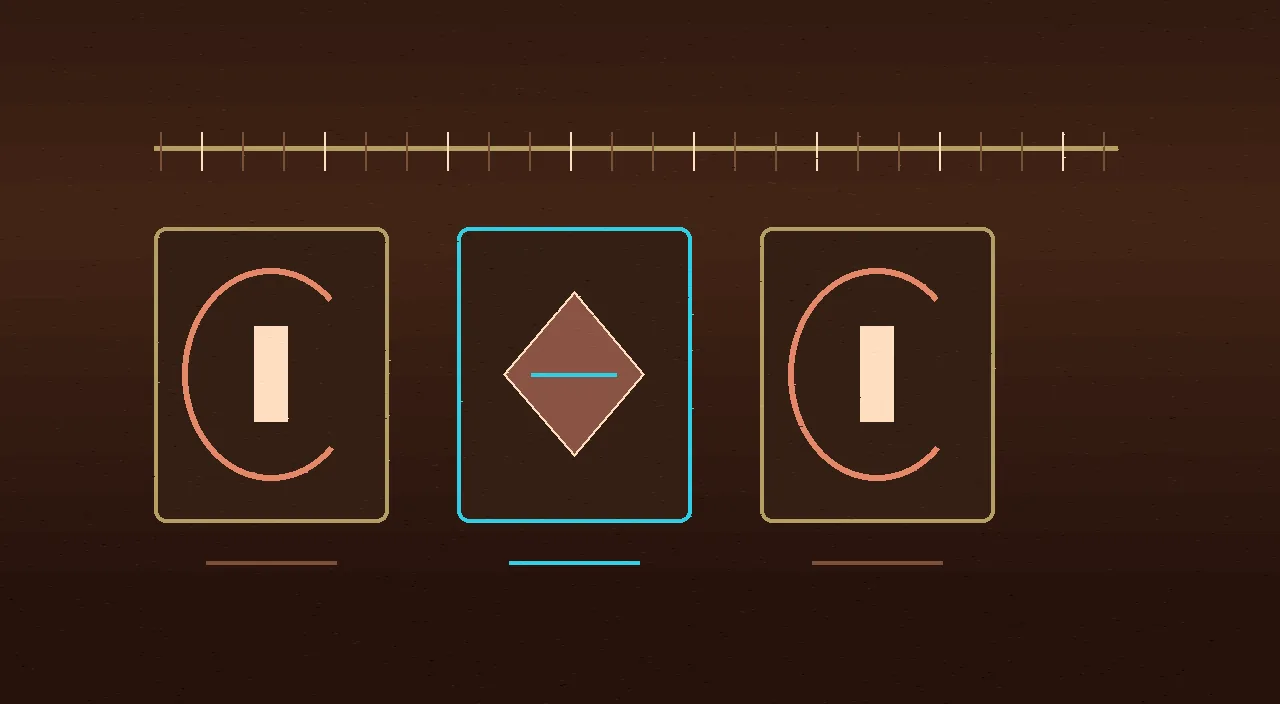
A small slot on the early comparison board held the name of the alternate kit. It turned turquoise as soon as a person chose it. By the time the bell arrived, the name had moved to the current kit display. There was a moment before that switch when both displays looked active. A visitor could describe the game as having received the new choice and become confused when its actions were still unavailable. The result needed to say what part of that description was accurate.
A selection starts a distinct interval
The change slot begins as a placeholder. It takes the name of the requested kit and a mark for when the choice arrived. The active kit still shows its own status. In the first prototype the slot stays pending until the next checkpoint. When the bell arrives, the active group and the choice exchange positions in the display. A narrow divider in the timeline separates the moment they were selected from the moment the game applied the change.
An upcoming bell can be visible in the game without making the confirmation look certain. The simulated rules may allow the distance band to change while a kit is waiting. Readers need access to the current set of virtual choices throughout that exchange. Keeping separate marks for pending and active lets the game provide both values. A simple label is better than an extra success sound if the player needs to read the distinction again.
Fit the interval into a result slip
A note on the result can say that a request was recorded and that a certain kit became active afterwards. The earlier position belongs to the time strip. Give the two entries comparable labels, then make the present selection visually distinct. A frame chosen for the article shows the slot filled with a hollow tab. The selected kit becomes a solid outline in the later state. Both labels should fit alongside the floor indicator if the casebook is opened on a medium-size screen. At phone size the result can use separate lines, using similar order but less horizontal space.
The practice study will try a case where the checkpoint comes soon and another where it takes an extra beat. The result view should preserve that difference without having to remember how the hall looked. Mark the active group on both records. A historical label can name the prior kit and its valid interval. This allows the reader to ask a useful question: which choices were available at the point the game accepted the event? The answer can remain readable even after a new kit becomes active on the next turn.
See whether the written order is enough
Give two examples without sound or moving effects. Read the state named just underneath each kit. If a person can tell when the alternate group became active, the simple strip may be enough. If they say that the choice was lost, inspect the label nearest the pending slot. It can show that the input arrived and still needs the upcoming checkpoint. Then bring the movement back and test whether the animated shift supports the same interpretation.
An alternate problem to try is a case where the change of distance occurs before the same confirmation. Keep the selected kit in the same position in the two views and move just the range label. The report in the result should still identify both conditions. A comparison like that makes clear whether the question was about what the player requested or when the game allowed it to act. Give the two entries enough distance in print so the reader can identify them quickly on a separate pass.
Change at the Bell is the full concept. The Cue Kept in the Picture looks at the sound and written confirmation that can refer to the same point in a game round. The timeline here describes an abstract game rule and keeps the observed state attached to the decision that produced it.